
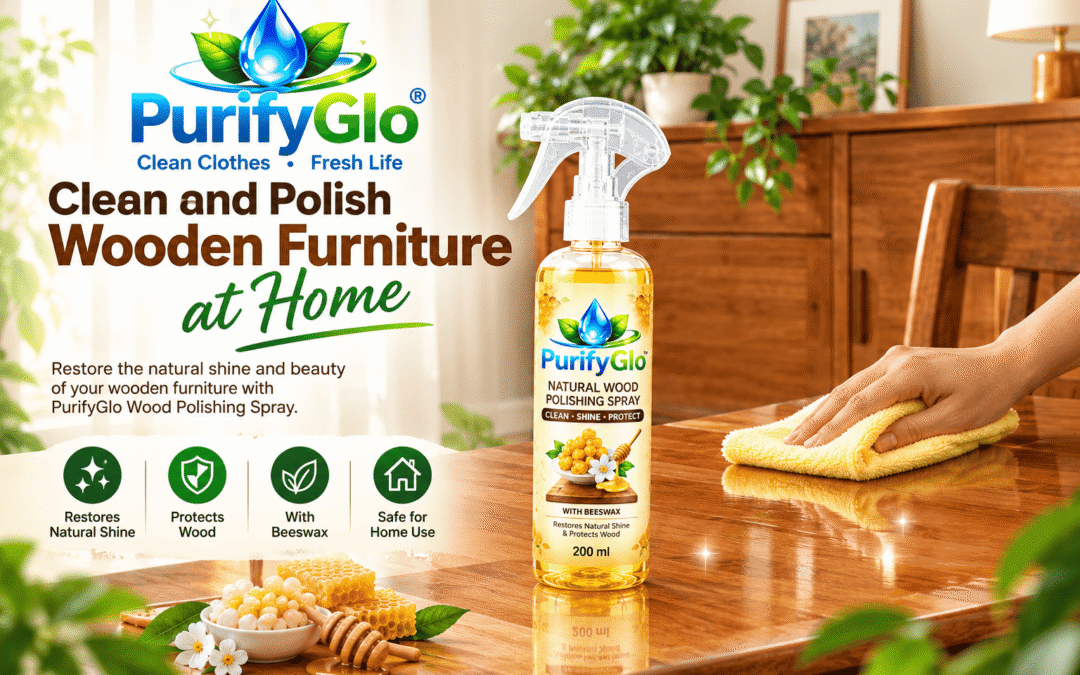
Clean and Polish Wooden Furniture at Home
Wooden furniture adds beauty, warmth and elegance to any home. However, daily use can cause dust, fingerprints, dullness and surface marks to build up over time. Knowing how to clean and polish wooden furniture at home can help maintain its appearance and keep it looking beautiful for longer.
In this guide, PurifyGlo shares simple wooden furniture cleaning tips, the right polishing methods and common mistakes to avoid. Whether you want to care for a wooden table, chair, cabinet or cupboard, these practical steps can help you maintain your furniture safely.
Why Is Regular Wooden Furniture Cleaning Important?
Regular wooden furniture cleaning helps remove dust, everyday dirt and fingerprints before they accumulate. It also helps you notice spills or marks that may need attention.
Here are some benefits of cleaning wooden furniture regularly:
- Helps maintain the natural appearance of wood.
- Removes everyday dust and surface dirt.
- Keeps tables, chairs and cabinets looking neat.
- Helps reduce the buildup of grime.
- Supports better furniture maintenance over time.
Remember that different wood finishes require different care methods. Always check the manufacturer’s instructions before using a cleaning product or polish.
How to Clean Wooden Furniture at Home: Step-by-Step Guide
Cleaning wooden furniture does not have to be complicated. Follow these steps to remove everyday dust and dirt while protecting the furniture’s finish.
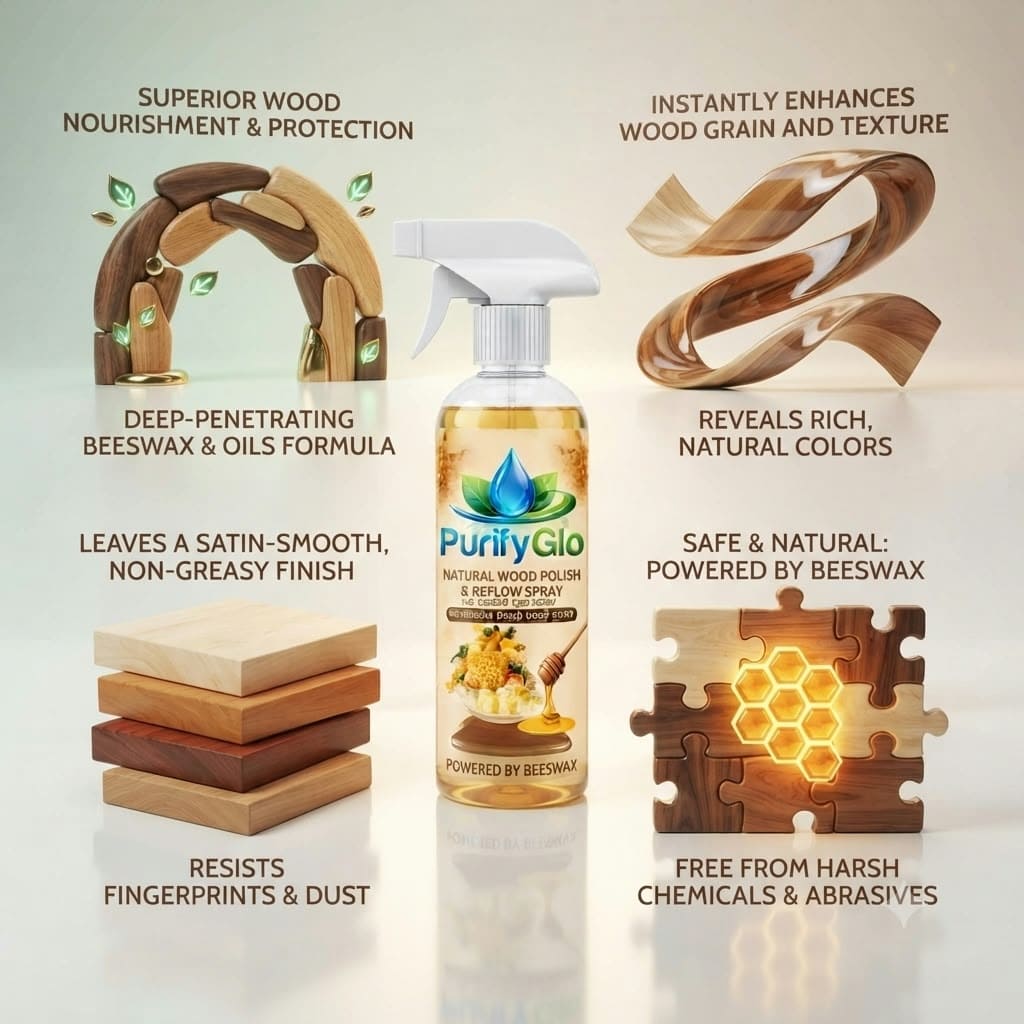
Step 1: Remove Dust with a Soft Cloth
Start by wiping the furniture with a clean, soft microfiber cloth. Gently remove dust from the tabletop, corners, legs and other exposed areas.
Avoid using rough cloths or abrasive materials, as these may scratch delicate finishes.
Step 2: Clean Surface Dirt Gently
For fingerprints or light marks, use a slightly damp cloth if the furniture finish allows it. Avoid soaking the wood, and wipe away moisture immediately with a dry cloth.
Excess water can damage some wooden surfaces, particularly unfinished wood, veneer and damaged finishes.
Step 3: Choose a Suitable Wood Cleaner
If ordinary dusting is not enough, choose a cleaner specifically designed for the furniture’s surface and finish.
Read the product label carefully before use. Test the cleaner on a small, hidden area first to check for unwanted changes in colour or appearance.
Step 4: Dry the Surface Properly
After cleaning, use a clean, dry cloth to remove remaining moisture. Make sure the furniture is dry before applying any polish that is compatible with its finish.
Step 5: Check the Furniture Finish
Before polishing, determine whether your furniture is lacquered